

Since my last blog post about false friends when learning Spanish, I’ve collected a list of 11 more false friends. These are words in two languages that look or sound similar but have very different meanings. And because the word appears familiar, it can easily trick you into using it incorrectly.
This is my favorite example because I’ve said it a few times, much to the surprise of the person I’m talking to:
- Estoy tan embarazada!
Which does not mean “I am so embarrassed!” as I thought. It means “I am so pregnant!”
- embarazada ≠ embarrassed (it means pregnant, not embarrassed)
Here’s my new list of common English–Spanish false friends that I’ve learned the hard way. Thankfully, my online Spanish classes with a native teacher are helping me get this straight!
Fastidiar ≠ Fastidious
- Spanish meaning: annoy
- False English guess: extremely careful or detailed
- Example:
- ❌ Soy una persona muy fastidiosa. ≠ I’m a very fastidious person. (It actually means: I’m a very annoying person.)
- ✅ Esta música me fastidia. = This music annoys me.
A lo mejor ≠ Better
- Spanish meaning: probably, hopefully, maybe
- False English guess: better (because “mejor” means “better”)
- Example:
- ❌ A lo mejor es esta opción. ≠ This option is better. (It actually means: Maybe this is the option.)
- ✅ A lo mejor llego un poco tarde. = I’ll probably arrive a little late.
Ilusión ≠ Illusion
- Spanish meaning: excitement
- False English guess: illusion
- Example:
- ❌ Tenía la ilusión de que era el mejor jugador. ≠ He had the illusion that he was the best player. (It actually means: He was excited that he was the best player.)
- ✅ Me hace mucho ilusión. = That makes me really excited
Regular ≠ Normal
- Spanish meaning: so-so, average, not bad
- False English guess: normal, habitual
- Example:
- ❌ El niño se comporta regular. ≠ The child’s behavior is normal/habitual. (It actually means: The child’s behavior is so-so.)
- ✅ La peli fue regular. = The movie was so-so.
Actual ≠ Actual
- Spanish meaning: current, updated
- False English guess: actual, real
- Example:
- ❌ Esta es mi opinión actual sobre el tema. ≠ This is my real opinion. (It actually means: This is my current/updated opinion.)
- ✅ Mi dirección actual es en Madrid. = My current address is in Madrid.
Argumento ≠ Argument
- Spanish meaning: plot
- False English guess: argument
- Example:
- ❌ Tuvimos un argumento anoche. ≠ We had an argument last night. (It actually means: We had a plot last night — which doesn’t even make sense.)
- ✅ El argumento de la peli fue difícil de seguir. = The plot of the movie was hard to follow.
In my previous False Friends blog post, I’d just barely gotten over my confusion of Discusión ≠ Discussion, so here is an advanced/confusing sentence:
- 😎 En la discusión que tuvimos ayer, cada uno expresó sus argumentos. = In the argument we had yesterday, each one expressed his/her opinions.
Asignatura ≠ Signature
- Spanish meaning: subject
- False English guess: signature
- Example:
- ❌ Necesito tu asignatura en este documento. ≠ I need your signature on this document. (It actually means: I need your subject on this document.)
- ✅ ¿Qué asignatura estás estudiando en la escuela? = Which subject are you taking in school?
Único ≠ Unique
- Spanish meaning: only
- False English guess: unique
- Example:
- ❌ Tengo un único plan para mañana: trabajar. ≠ I have a unique plan for tomorrow: work. (It actually means: I have only one plan for tomorrow: to work.)
- ✅ Es la única mujer. = She is the only woman.
Cámara de comercio ≠ Commercial camera
- Spanish meaning: Chamber of Commerce
- False English guess: commercial camera
- Example:
- ❌ Trabajo con la cámara de comercio. ≠ I work with a commercial camera. (It actually means: I work with the Chamber of Commerce.)
- ✅ La Cámara de Comercio organizó un evento para emprendedores locales. = The Chamber of Commerce organized an event for local entrepreneurs.
Experimentar ≠ Experiment
- Spanish meaning: experience
- False English guess: experiment
- Example:
- ❌ Estoy experimentando malas sensaciones. ≠ I am experimenting with bad sensations. (It actually means: I am experiencing bad feelings.)
- ✅ Tuve una experiencia mala ayer. = I had a bad experience yesterday.
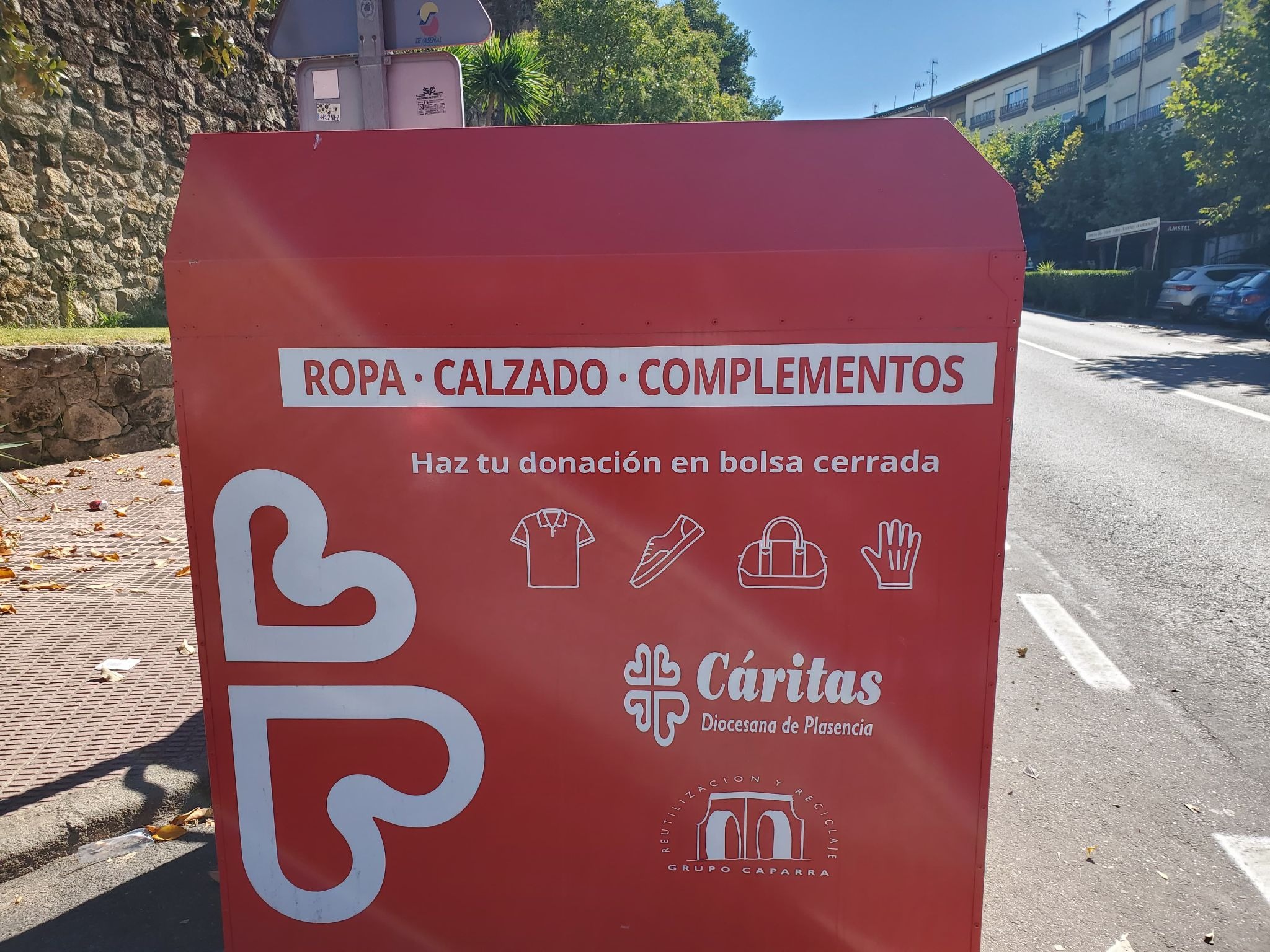
Complementos ≠ Compliments
- Spanish meaning: accessories
- False English guess: compliments
- Example:
- ❌ Recibí muchos complementos por mi presentación. ≠ I received many compliments on my presentation. (It actually means: I received many accessories for my presentation.)
- ✅ Compré unos complementos nuevos para mi vestido. = I bought some new accessories for my dress.
So you can imagine my surprise when I saw this recycling bin. What? You can donate compliments to those who are in need?? What a great country this is!
I hope that sharing these false friends will help you avoid making the same mistakes that I have!
And if you’re eager to learn more about the Spanish language, check out this blog Adventures in Spanish Vocabulary in which I go down a rabbit hole and discover that there are 64 meanings for the Spanish word “pasar”!!



0 Comments