
Blog
Learn Spanish in Spain: Courses, Destinations and Experiences
Want to learn Spanish in Spain? Compare course types, top destinations and immersion experiences to find the right program for your goals and budget.
Want to learn Spanish in Spain? Compare course types, top destinations and immersion experiences to find the right program for your goals and budget.
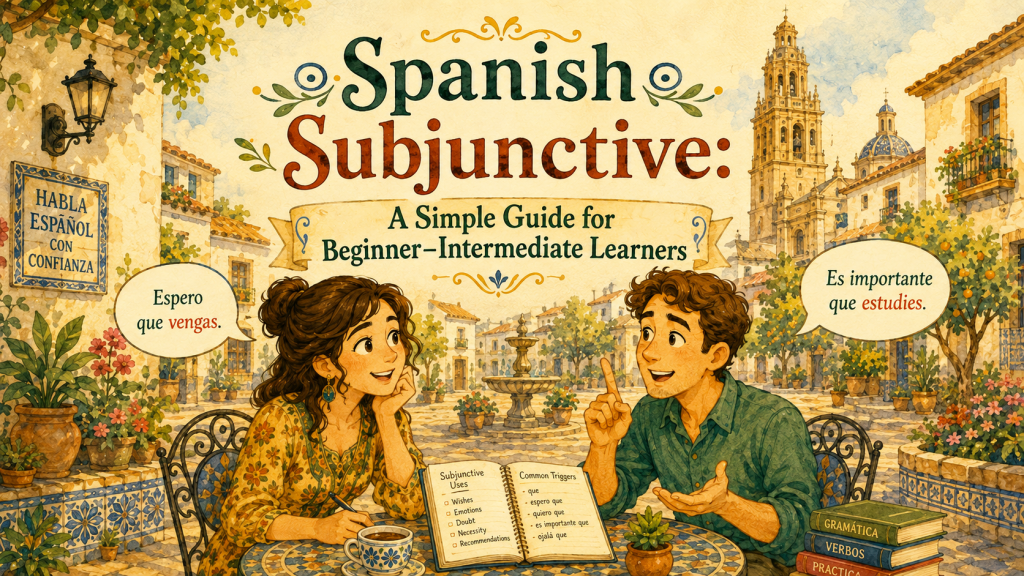
Confused by the Spanish subjunctive? Learn when to use it with clear WEIRDO triggers, how to form it in 3 easy steps, and see plenty of simple examples.

Not sure how to pick the best online Spanish classes for adults? This guide breaks down what matters most so you choose a course you’ll actually stick with.
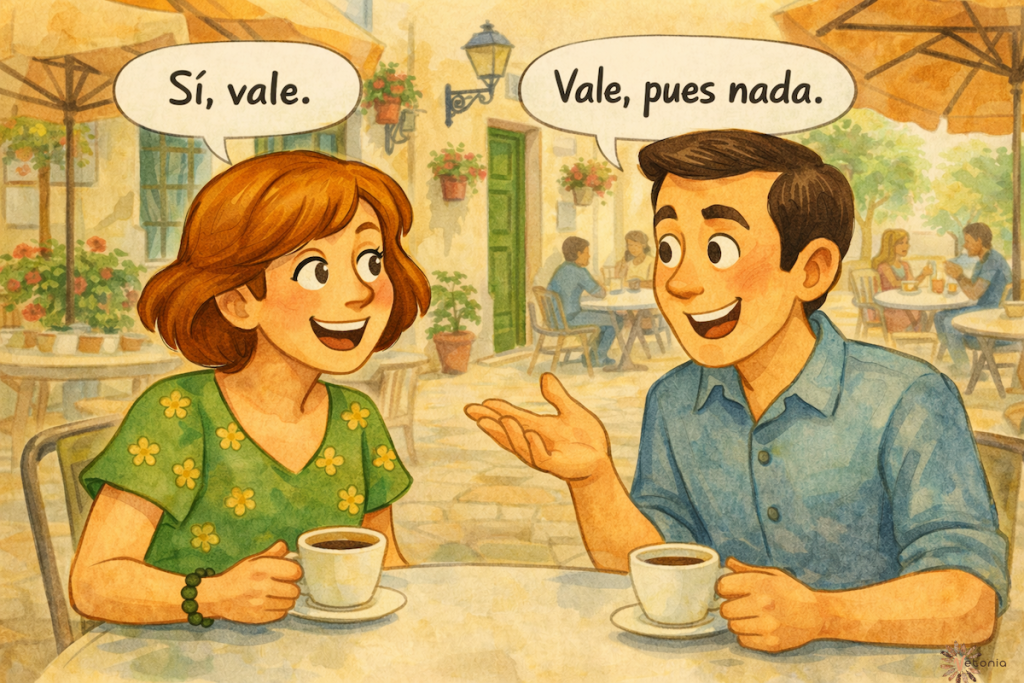
Want to sound more like a native speaker? Learn how discourse markers like vale and anda improve fluency and natural expression…
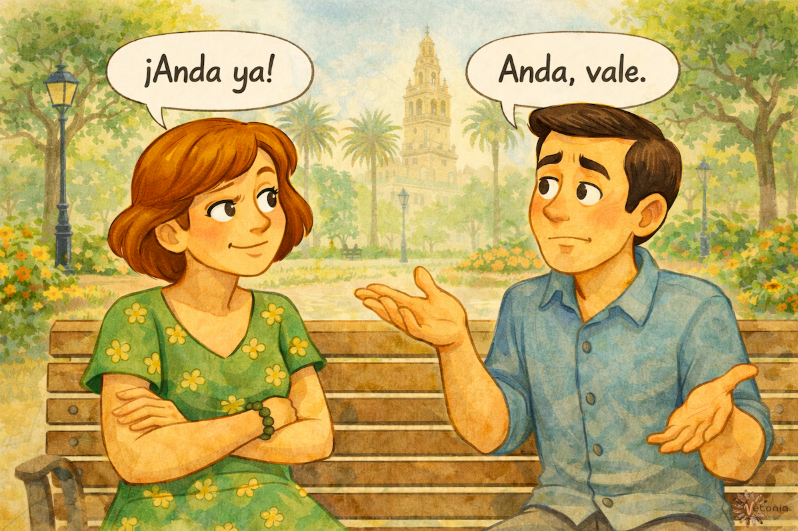
Learn how small phrases like hey, alright and come on shape Spanish conversations. Improve natural expression with real examples…
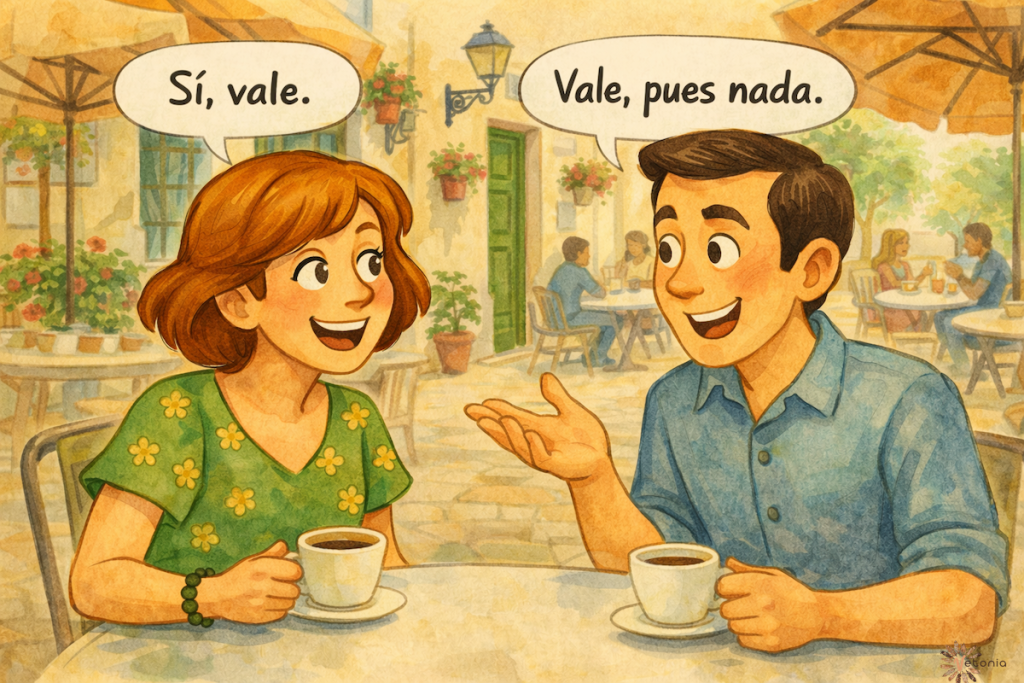
Los marcadores discursivos (como venga, vale, anda, bueno, a ver, pues) son esas “palabritas” extra que no aportan mucha información nueva, pero hacen un montón de trabajo en la conversación: Piensa en ellos como los semáforos de la conversación en español: menos “contenido” y más flujo natural. Y en España se oyen especialmente porque, cuando se habla rápido, con solapamientos e interrupciones, hacen falta herramientas rápidas para manejar el tono y sonar natural—no como un libro de texto con rigidez. Así que, si estás aprendiendo español y estas “palabritas” te han confundido (o simplemente las has ido ignorando), te voy a dejar tres chuletas de marcadores discursivos: Conversación de ejemplo con el marcador discursivo “vale” Vale es la navaja suiza
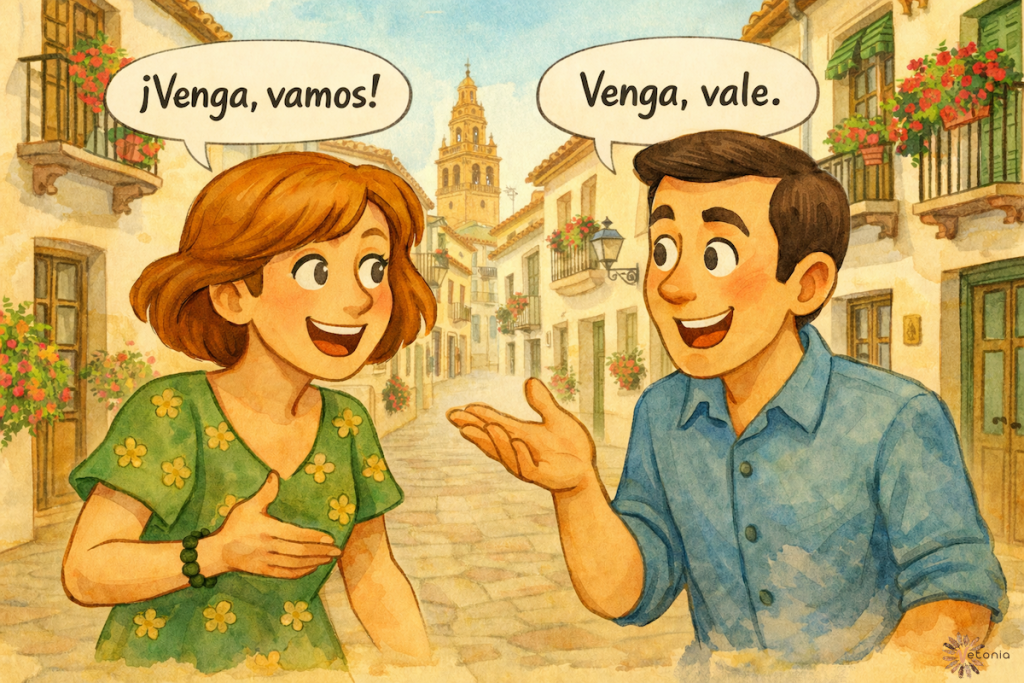
Ahora que llevo un año y medio en España, no paro de oír un goteo constante de “palabritas” que aparecen en todas las conversaciones, sobre todo: venga, vale, anda. Yo entendía venga como “ven” (del verbo venir), así que no tenía muy claro por qué aquí todo el mundo parecía estar gritándole a todo el mundo: “¡Ven aquí!” marcador discursivo venga Pero no. No están haciendo eso. Como he estado aprendiendo en mis clases de español en línea, estas pequeñas palabras como “venga” son marcadores del discurso: palabras o expresiones cortas que no añaden mucha información nueva a la frase, pero hacen muchísimo trabajo en la conversación. Te guían sobre cómo hay que entender lo que estás diciendo. Por ejemplo,

How have learning environments evolved? From early communities to digital PLEs, technology now personalizes education…

How can inclusive language transform Spanish classes? Explore its impact on teaching and cultural competence…